
DAMBISA MOYO

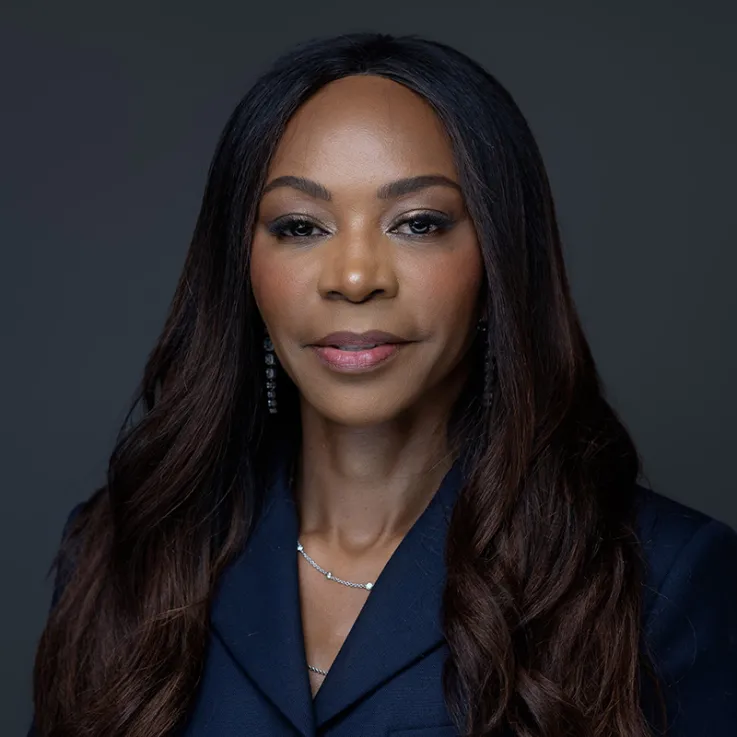
Global economist specializing in economic growth, geopolitics, and corporate sustainability. Bestselling author


  • Recognized by TIME as one of the world's most influential voices in economics and global leadership
  • Serves on the boards of Chevron, 3M, and Condé Nast, and advises governments and global corporations on strategic issues.
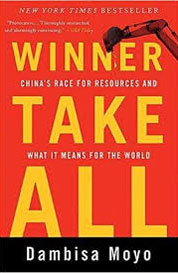
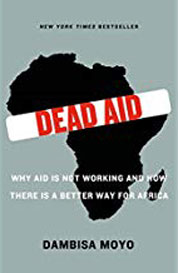
  • Bestselling author of influential books on the global economy, including Dead Aid, How the West Was Lost, Winner Take All, and Edge of Chaos
  • Member of the House of Lords of the United Kingdom, holding the title of Baroness Moyo of Knightsbridge
  • Director of Versaca Investments, a family investment office focused on global growth strategies
  • Chair of the Economic Club of New York, one of the world's leading organizations for economic and business leadership

Dambisa Moyo is a globally recognized economist, bestselling author, and leading thinker on macroeconomics, geopolitics, and global investment strategy. She serves as a Member of the United Kingdom’s House of Lords, holding the title of Baroness Moyo of Knightsbridge, and is Co Principal of Versaca Investments, a family office focused on long term global growth investing.
She serves on the boards of several leading global organizations, including Chevron, Condé Nast, Starbucks, and the National Geographic Society, and is a member of the Oxford University Endowment Investment Committee. She is also a member of the American Academy of Arts and Sciences.

Dr. Moyo is widely respected for her independent thinking, her ability to combine contrarian perspectives with measured judgment, and her talent for translating complex economic analysis into actionable investment and strategic insights. Her rigorous global perspective has made her one of the most influential voices at the intersection of economics, geopolitics, corporate governance, and long term growth.

The author of five international bestselling books on the global economy and geopolitics, Dr. Moyo holds a PhD in Economics from the University of Oxford and a Master of Public Administration from Harvard University’s John F. Kennedy School of Government. She was named one of TIME Magazine’s "100 Most Influential People in the World" and is a frequent contributor to the Financial Times, The Wall Street Journal, Barron's, Harvard Business Review, and Project Syndicate. Through her research, writing, and advisory work, she helps business leaders, investors, and policymakers navigate an increasingly complex and rapidly evolving global economy.
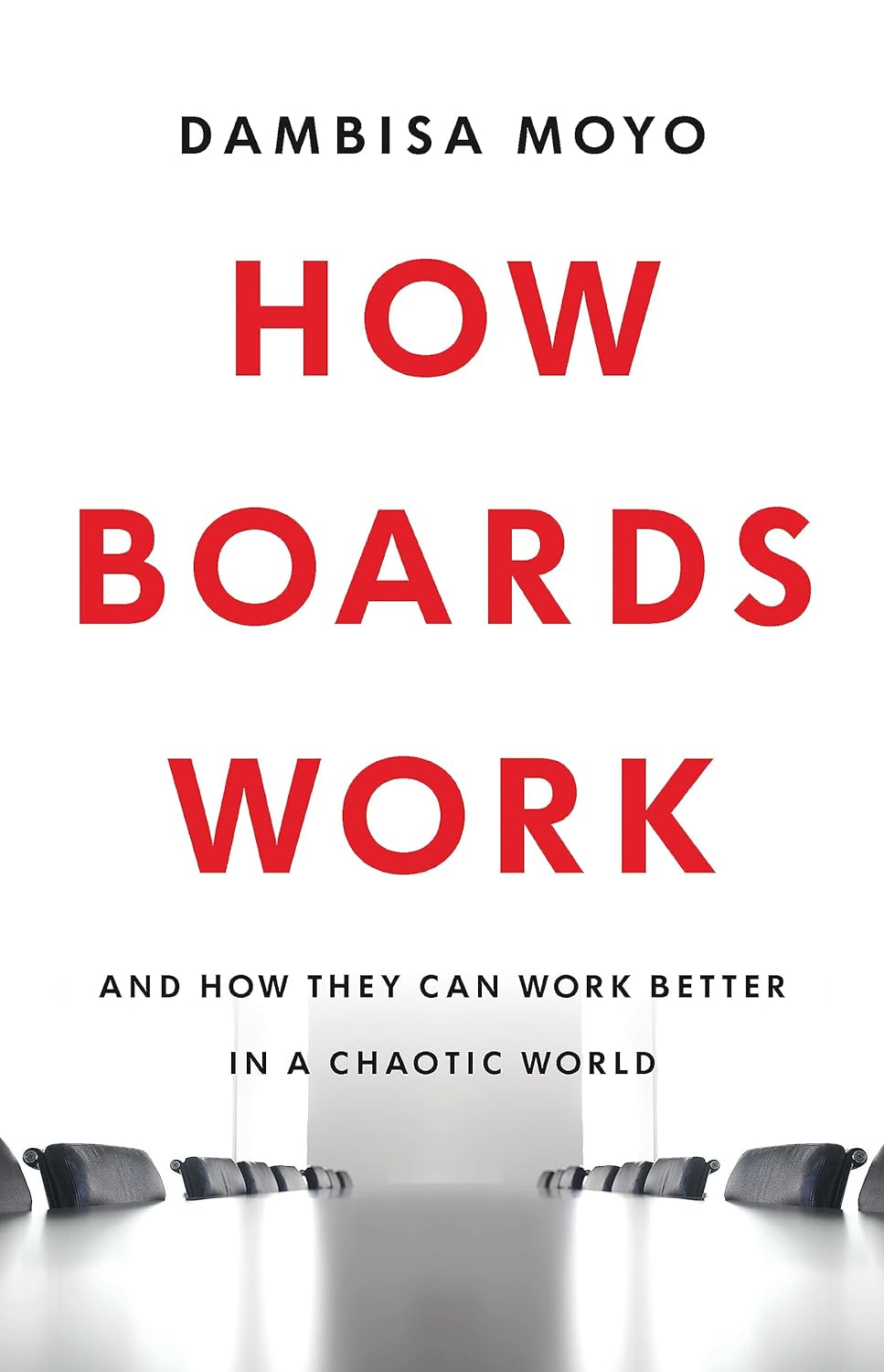
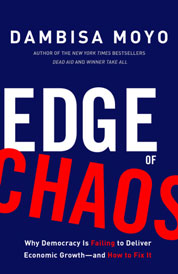
Dambisa tailors every presentation to the specific needs of her audience and is not limited to the topics listed below. Please contact us if you are interested in a topic not included here.

  • Geopolitics and the Global Economy
  • Sustainable Growth and Emerging Markets
  • The Future of Capitalism
  • Corporate Governance and Leadership
  • Responsible Investing and ESG
  • Macroeconomic Trends and Global Transformation

Global Shifts in Economics, Politics & Business: What’s It Going to Take to Be Successful?

The defining challenge of our time is how do we create solid and sustained economic growth and continue to meaningfully put a dent in poverty across the world. In essence, how do we restore robust growth in the Eurozone, the United States and around the industrialized economies creaking under mounting debt, challenging demographics and stagnating productivity? And how do we boost growth in the developing world—home to 90 percent of the world’s population and where, on average, 70 percent of the population is less than 25 years old—as a period of unprecedented economic expansion begins to slow in some places and regress in others? Dambisa Moyo will address the structural and tactical implications of global macroeconomic trends and why this time is different.

The Future of 21st Century Corporations: A Broader Mandate

In recent years, businesses have been called upon to take a broader, more self-enlightened role in the global economy—beyond just making widgets and profits. Whether it’s through a triple bottom line lens or corporate social responsibility initiatives, modern companies are expected to take on broader responsibility for the economic and social well-being of the communities in which they operate. Clients, host governments, customers and investors are increasingly demanding a broader rationale for companies to exist. As these practices and norms continue to emerge, it is crucial for companies to adequately examine and address some of the challenges for companies operating across political systems in a transnational business environment. Individuals need to be aware of the potential impact their decisions may have on corporations and clients in the future.

China and the Race for Global Resources

As the population in China advances economically, the Chinese government has made a strategic and concerted effort to secure natural resources that can be used in its domestic industries. These moves have consequences for the global community, in part because international conflicts over resources commonly turn violent. Increasingly, China wields market power and sets global commodity prices. Dambisa Moyo will explain the three-pronged strategy that forms China’s systematic and deliberate campaign for global re-sources in the context of decreasing demand and falling commodity prices. China’s aggressive approach places her in a unique position, particularly across the world’s emerging economies, and has far-reaching implications for economic growth and trade in the future.

Age of Technology: A Tale of Innovation, Opportunities and Risk

At a time of rapid technological advancements and innovation, the risks and opportunities are immense, and the responses from corporations and public policy are crucial to economic growth. On the one hand, technological shifts hold promise to transform livelihoods by enhancing the efficiency and ease of information transfer, connectivity and communication. Yet, there remain legitimate concerns on the net effects of technological advances—particularly in respect to whether and how automation will disrupt and erode (low skilled) jobs—the hallmark of emerging markets. For every gadget that enables us to process data and information faster and more cheaply, there is a burgeoning social and public policy challenge of rising unemployment that has dire consequences for growth and could engender significant costs for society by reducing employment. Technological advances present a rapidly growing social and public policy challenge for every country, across all sectors.